

On May 7–9 2025, the FuturHist team gathered for our third in-person project meeting, this time in Kraków – the city hosting one of our demonstration sites. We’re at an important stage in the project: having just completed Work Package 1, “Drawing the baseline”, it was the right moment to reflect on initial outcomes and plan our next steps in detail.
Discussing work in progress
Our project has been running for 17 months, giving us a solid understanding of our direction. We have finalised six reports on barriers, policy framework, the current practice of renovation, building typologies, existing guidelines and tools for energy retrofits in historic buildings, and performance assessment. They gave us a broad perspective on the context in which we are working. We also achieved the first milestones. First was selecting the nine building typologies, an important step in implementing our ambition to shift the focus from individual buildings to building typologies. The other was distinguishing the key performance indicators used in FuturHist to guide and evaluate energy retrofit strategies for historic buildings. The three days we spent in Kraków were filled with discussions on our progress, retrofit strategies for our five demo cases and the next steps ahead. Much of our work took place in a workshop setting, enabling us to make the most of partner contributions in a collaborative and focused way. Zarząd Budynków Komunalnych (Municipal Buildings Authority) organised the meeting with Politechnika Krakowska’s (Cracow University of Technology) support. Thank you, both organisations, for such a warm welcome!
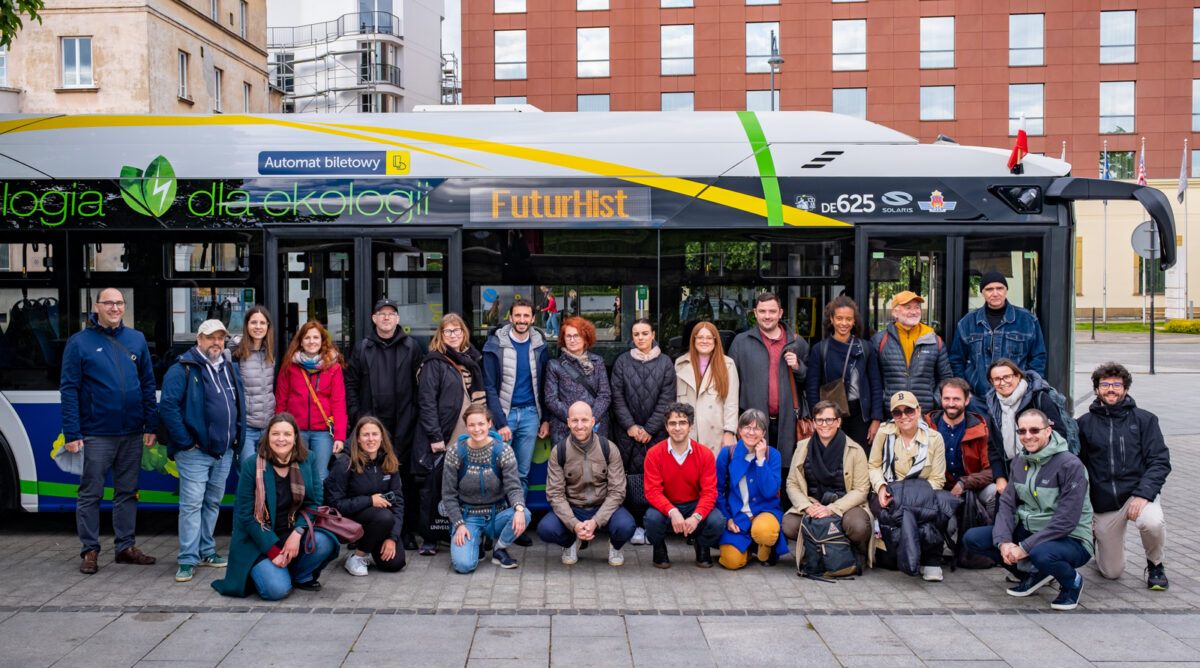

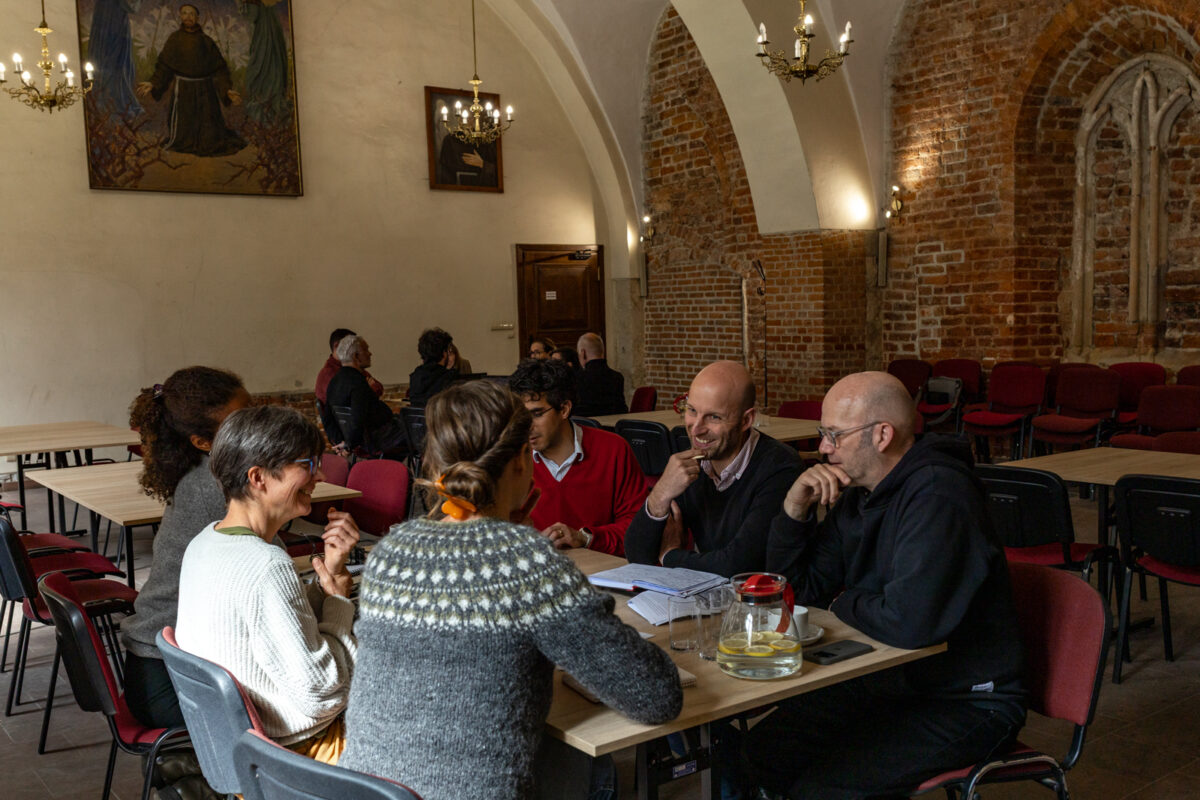


Photo: Magdalena Niezabitowska-Krogulec, Ewelina Pękała / the Sendzimir Foundation
Visiting our demonstration building at Kościuszki 18
An important part of the meeting was the site visit to our demo building – a 19th-century tenement house. The visit allowed all partners to see the building first-hand and engage in in-depth discussions about proposed technical solutions tailored to its historic character. This building, a heritage monument since 2021, represents the “kamienica” typology that refers to Polish terraced tenement buildings – one of nine building typologies selected in the FuturHist (read more about typologies here). In Kraków alone, there are around 3,500 buildings with similar characteristics, including over 2,000 “kamienica”-type tenement houses and more than 1,000 “villas”, another FuturHist building typology – all with a high potential for energy renovation.
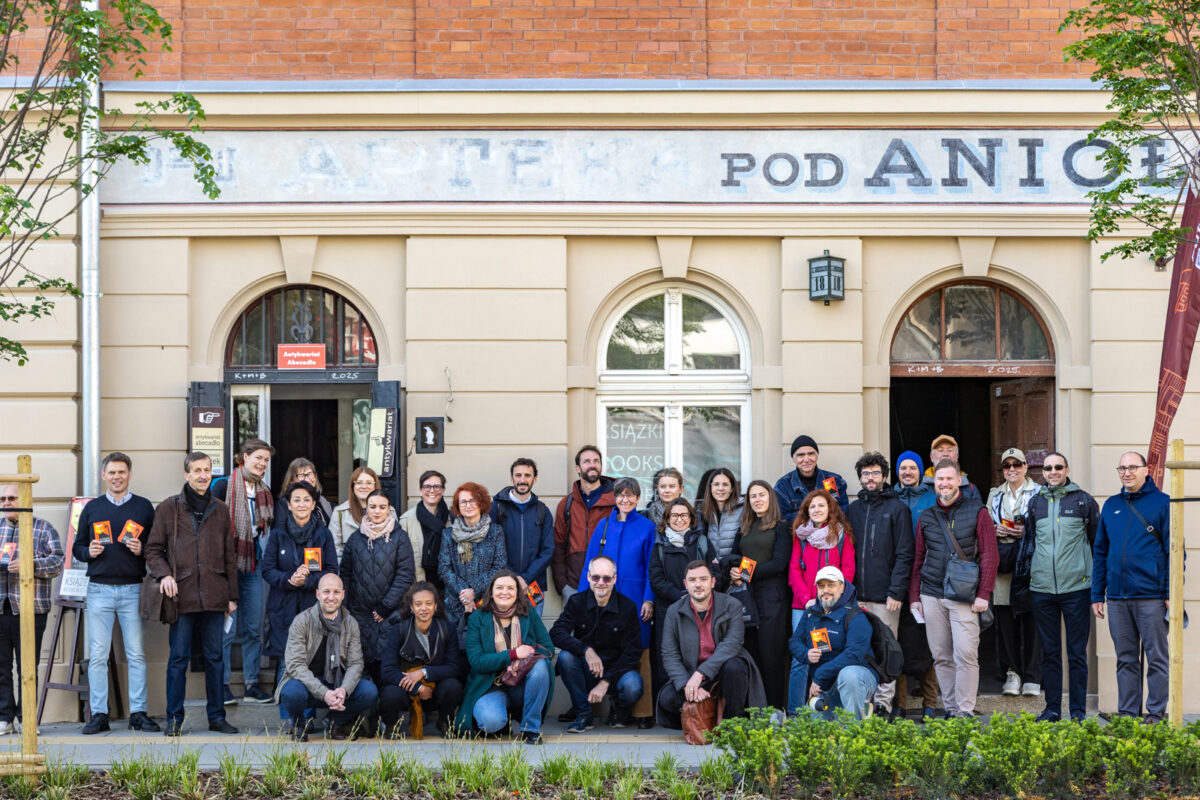

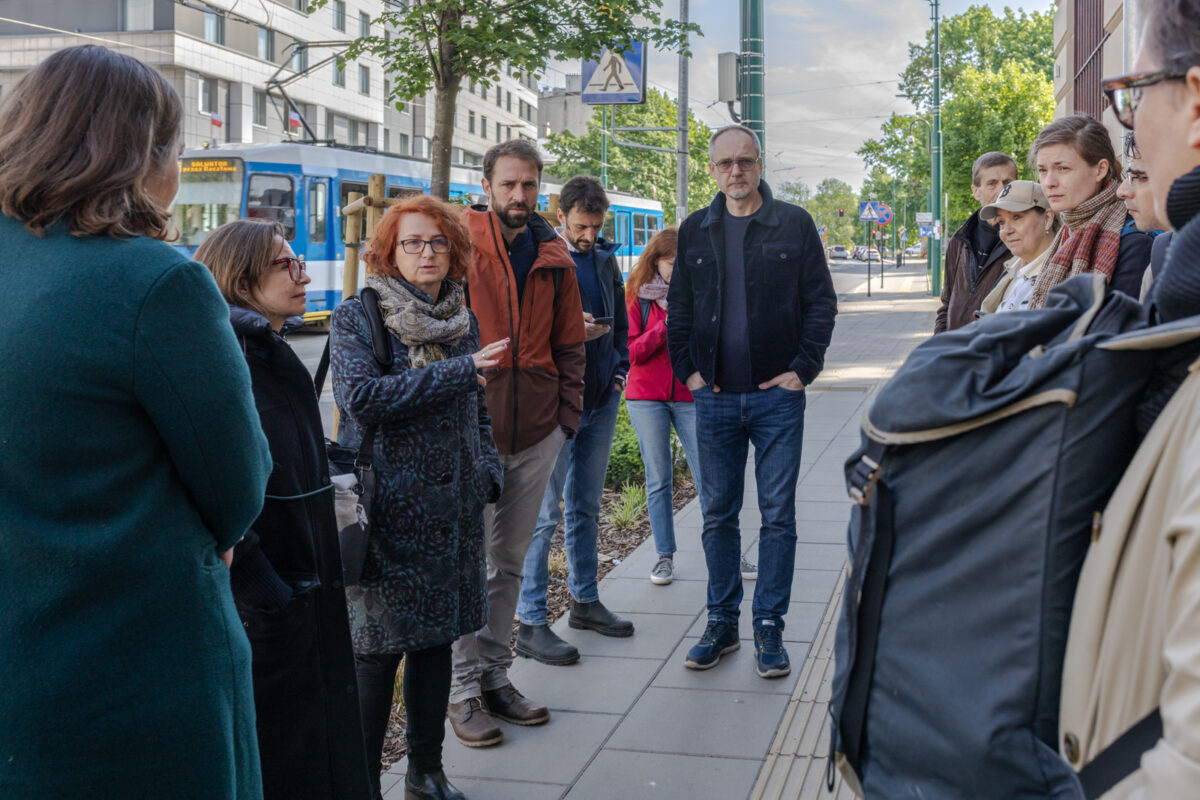

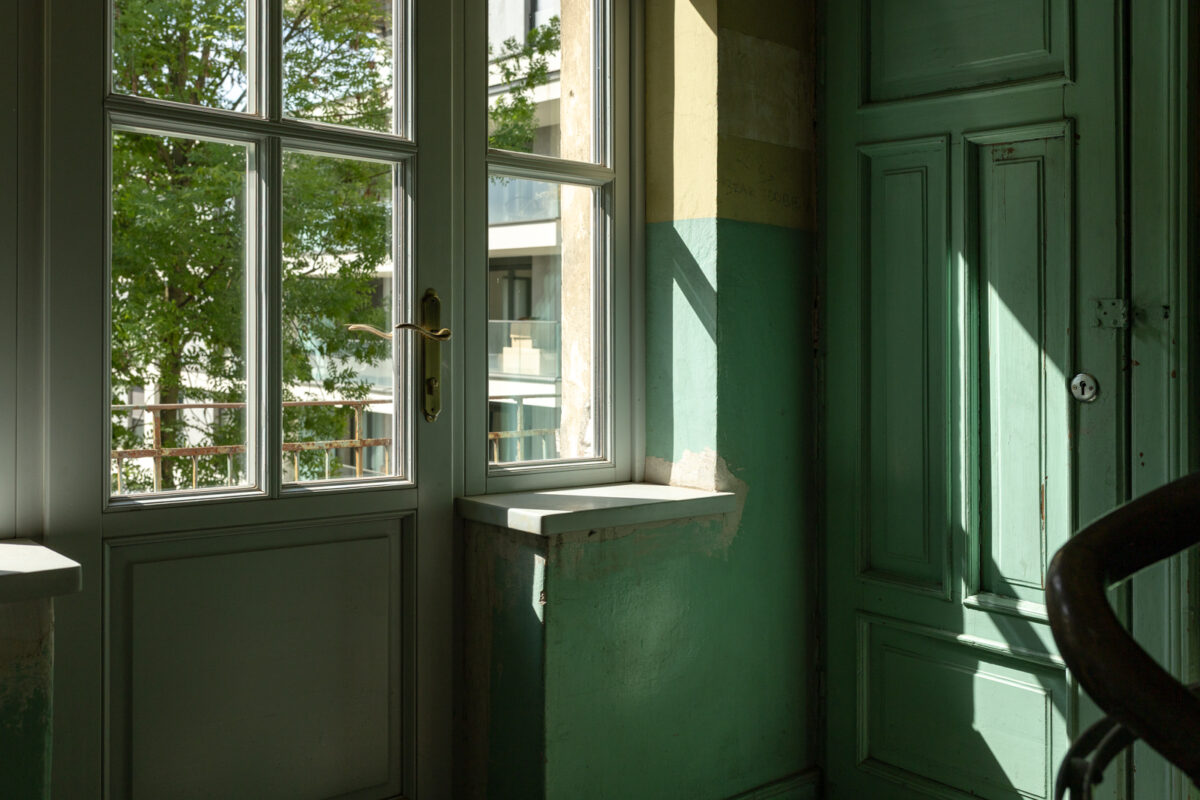
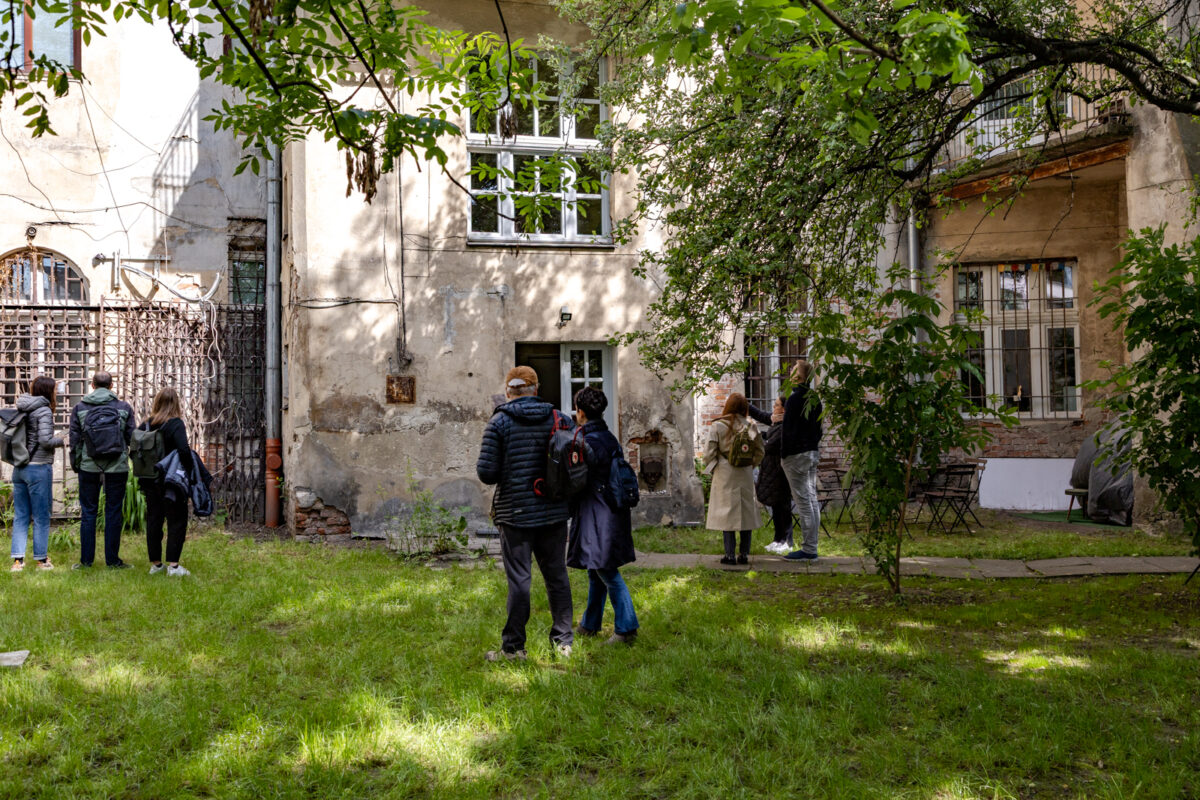

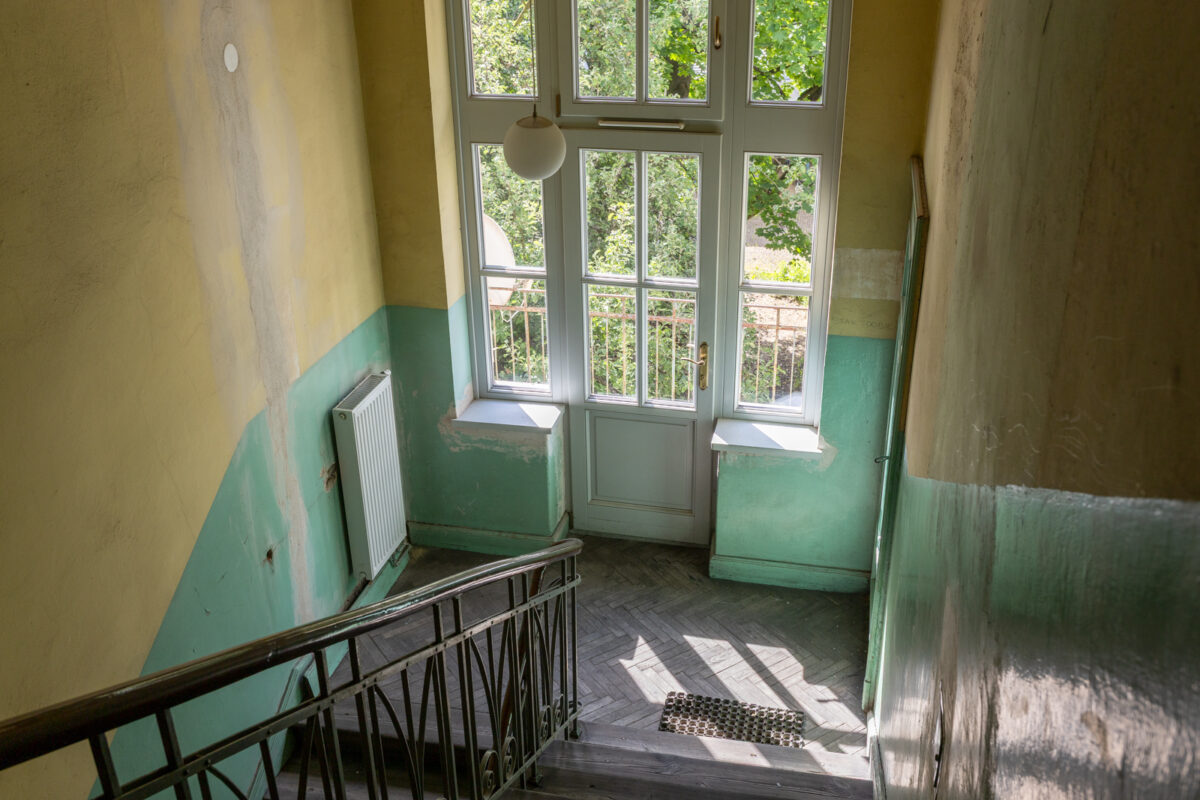
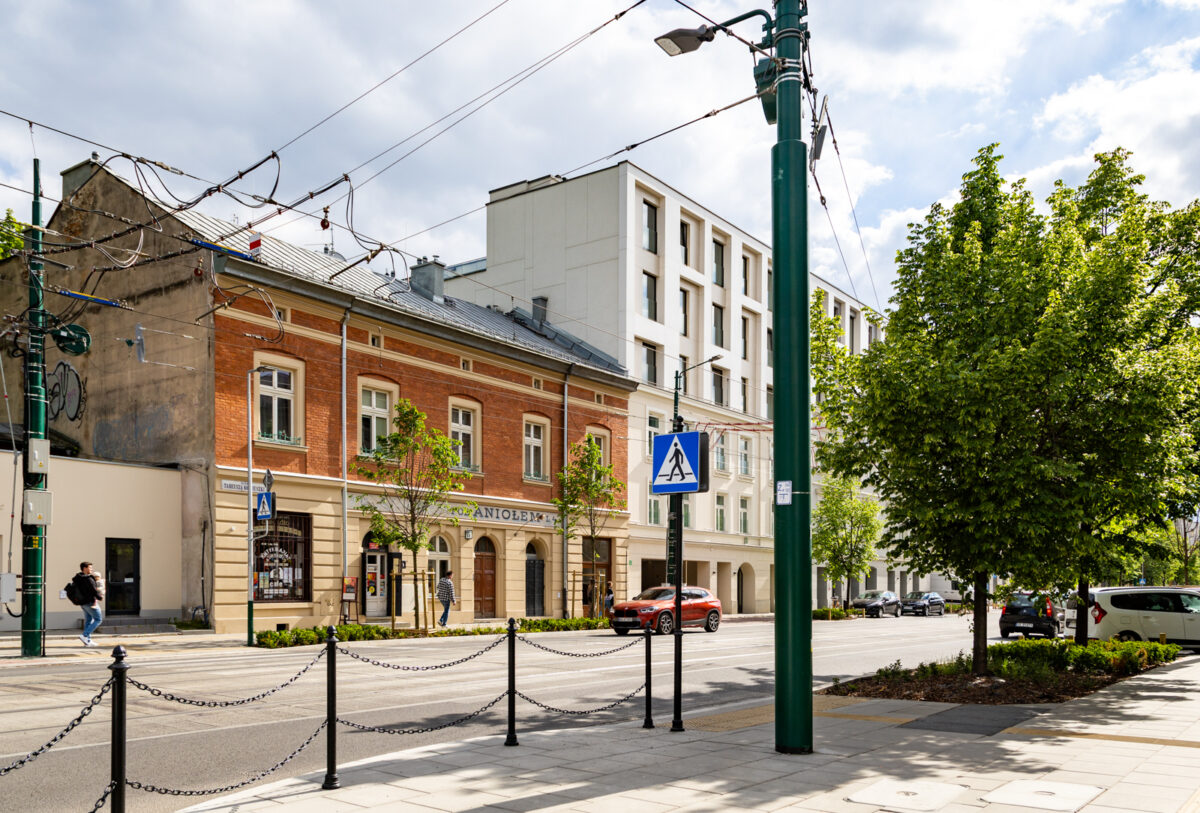
Photo: Magdalena Niezabitowska-Krogulec / the Sendzimir Foundation
As part of the project, and under the supervision of the Cracow University of Technology (Politechnika Krakowska) and the Municipal Buildings Authority (Zarząd Budynków Komunalnych w Krakowie), the Kościuszki 18 building serves as a test site for innovative solutions such as internal and external wall insulation aimed at improving energy performance. Various parameters – including humidity and indoor air quality – are currently being monitored, and the effectiveness of these interventions will help guide future renovations of similar heritage buildings.
While at the demo site, we were fortunate to meet Ms. Monika Bogdanowska, heritage conservator and member of our External Advisory Board, who listed the building as a heritage monument in 2021. In addition, staff from the Abecadło Antiquarian Bookstore, located on the ground floor, shared their unique perspective as daily users of the space.
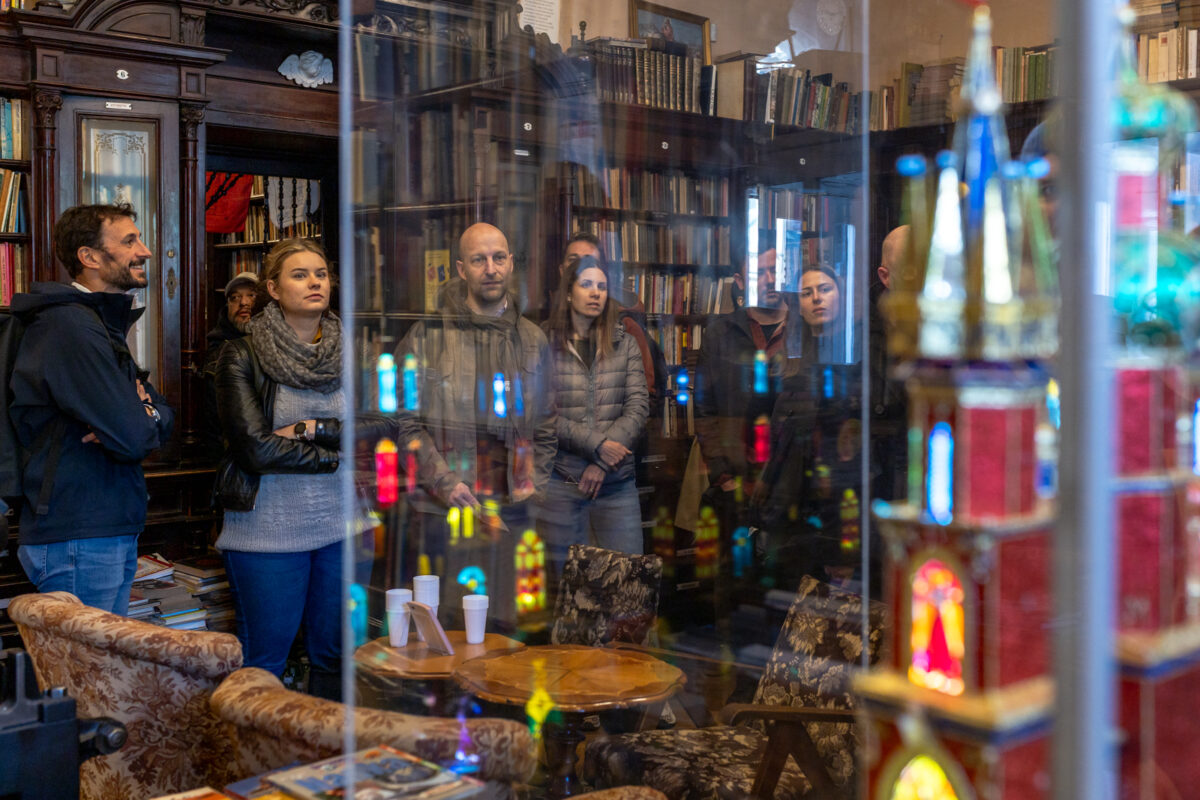


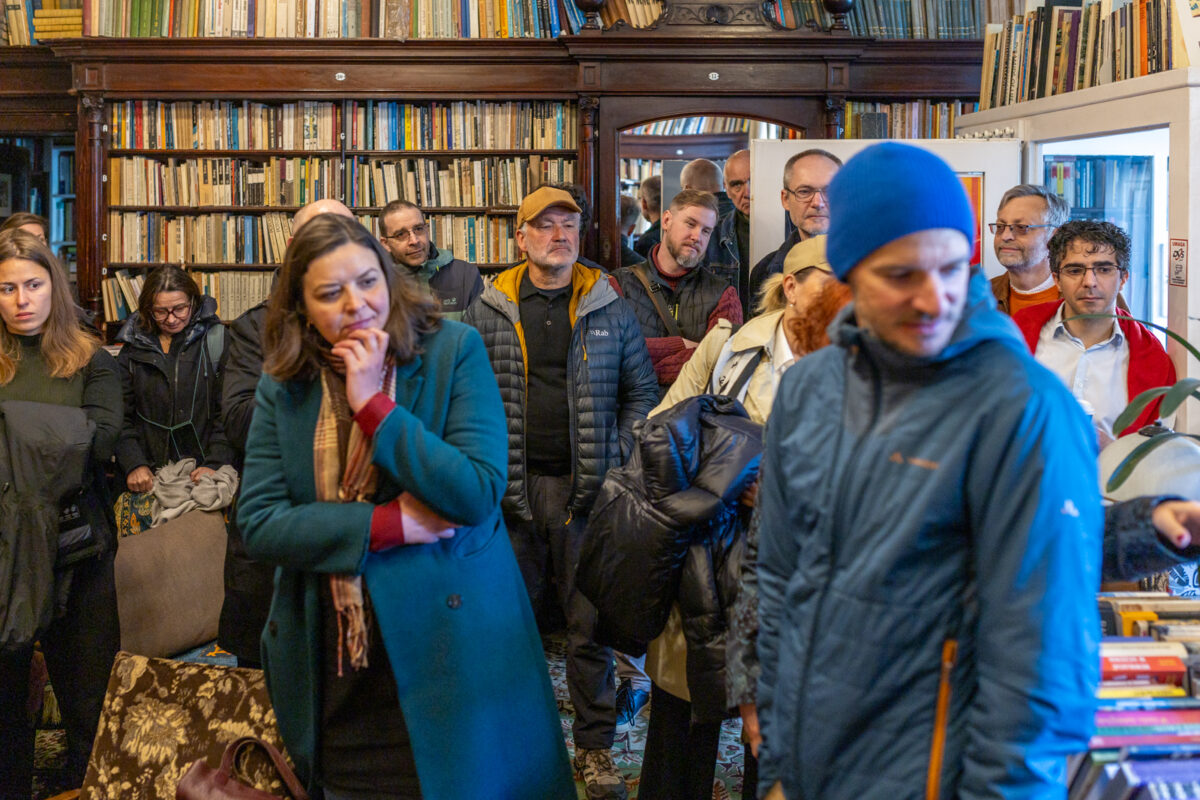

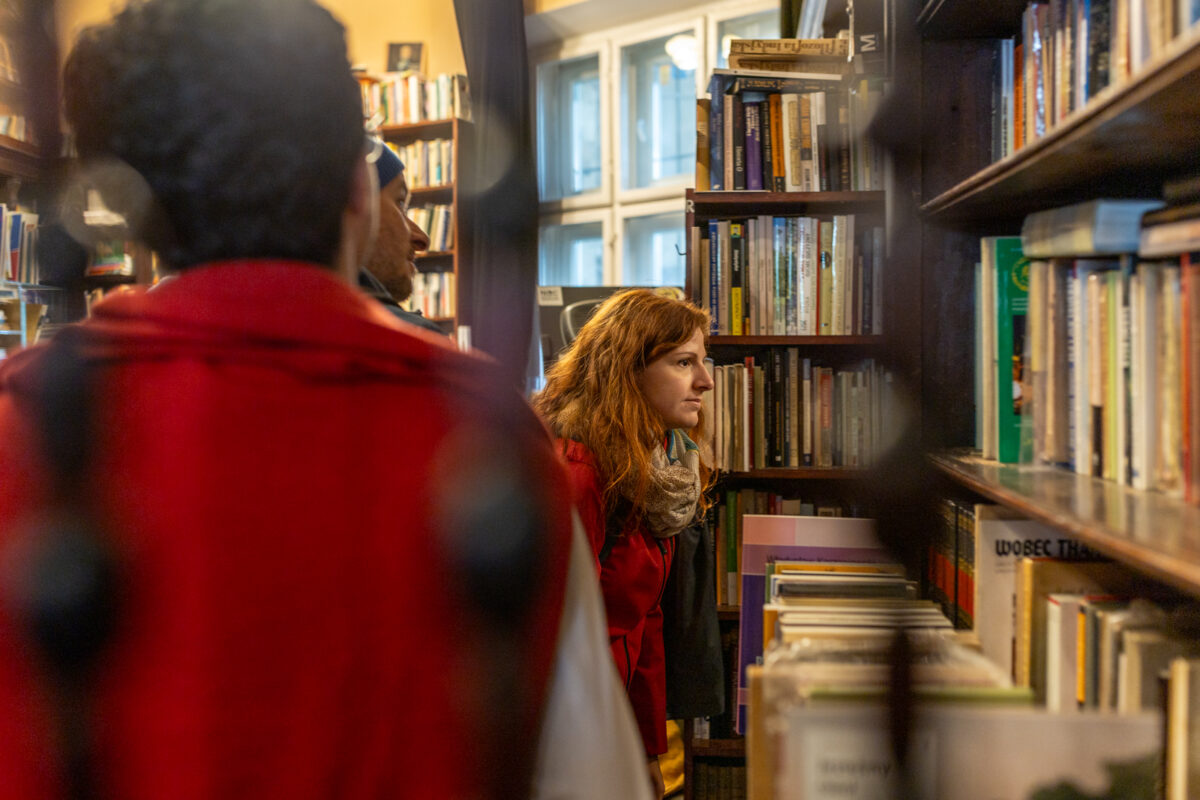
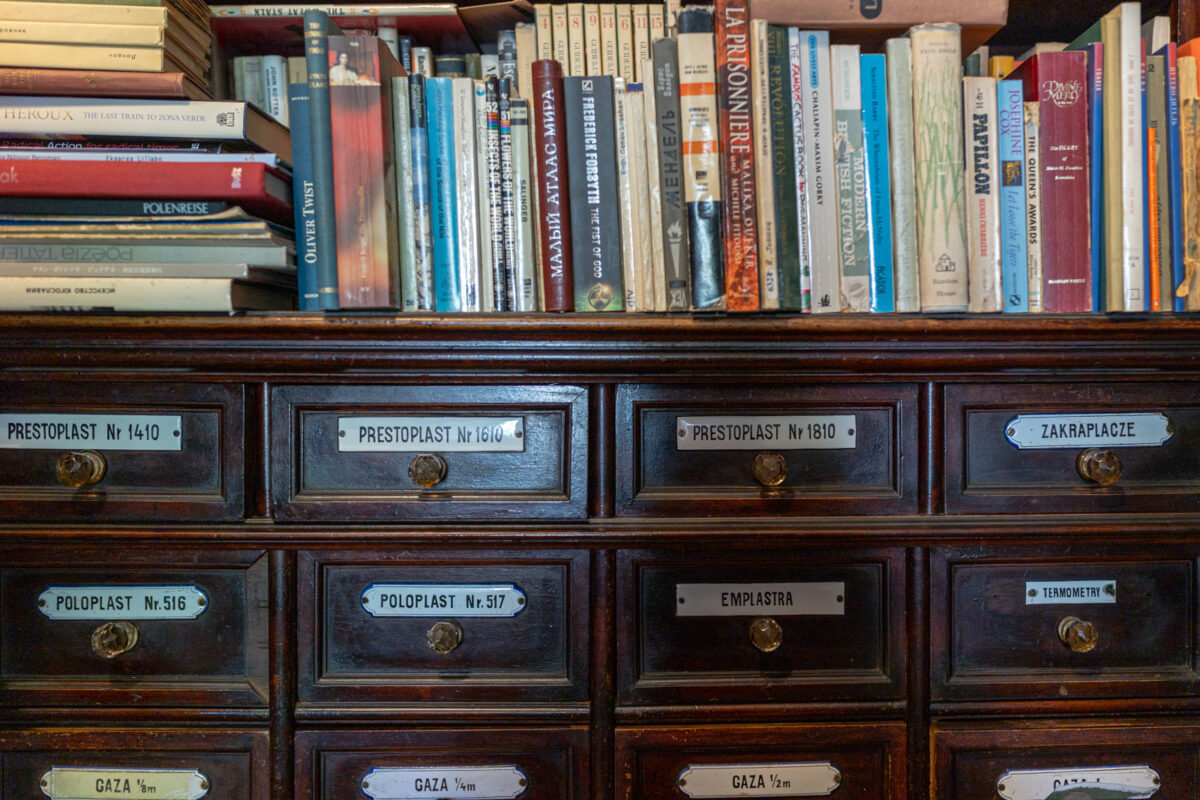
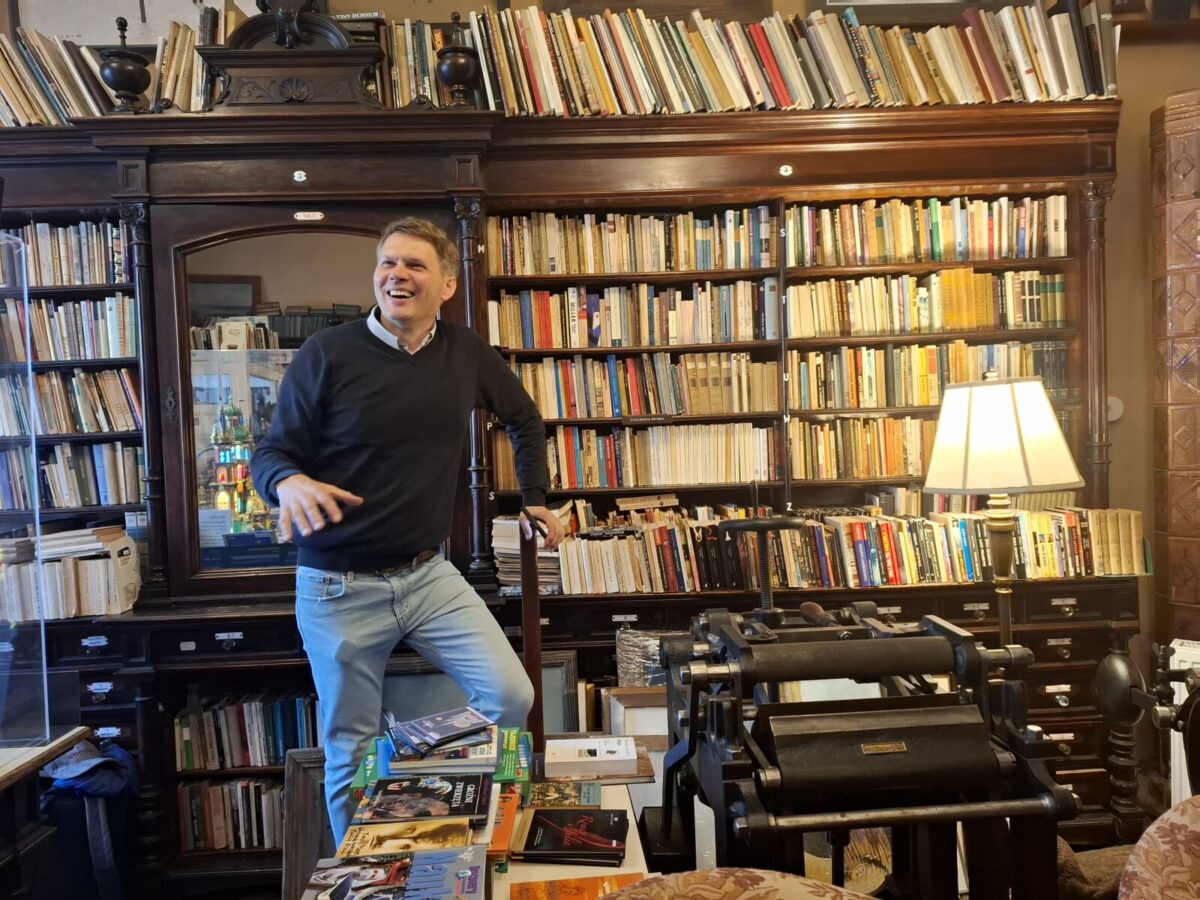
Photo: Magdalena Niezabitowska-Krogulec, Ewelina Pękała / the Sendzimir Foundation
The next project meeting will be in 2026 in Sweden, Linköping.