
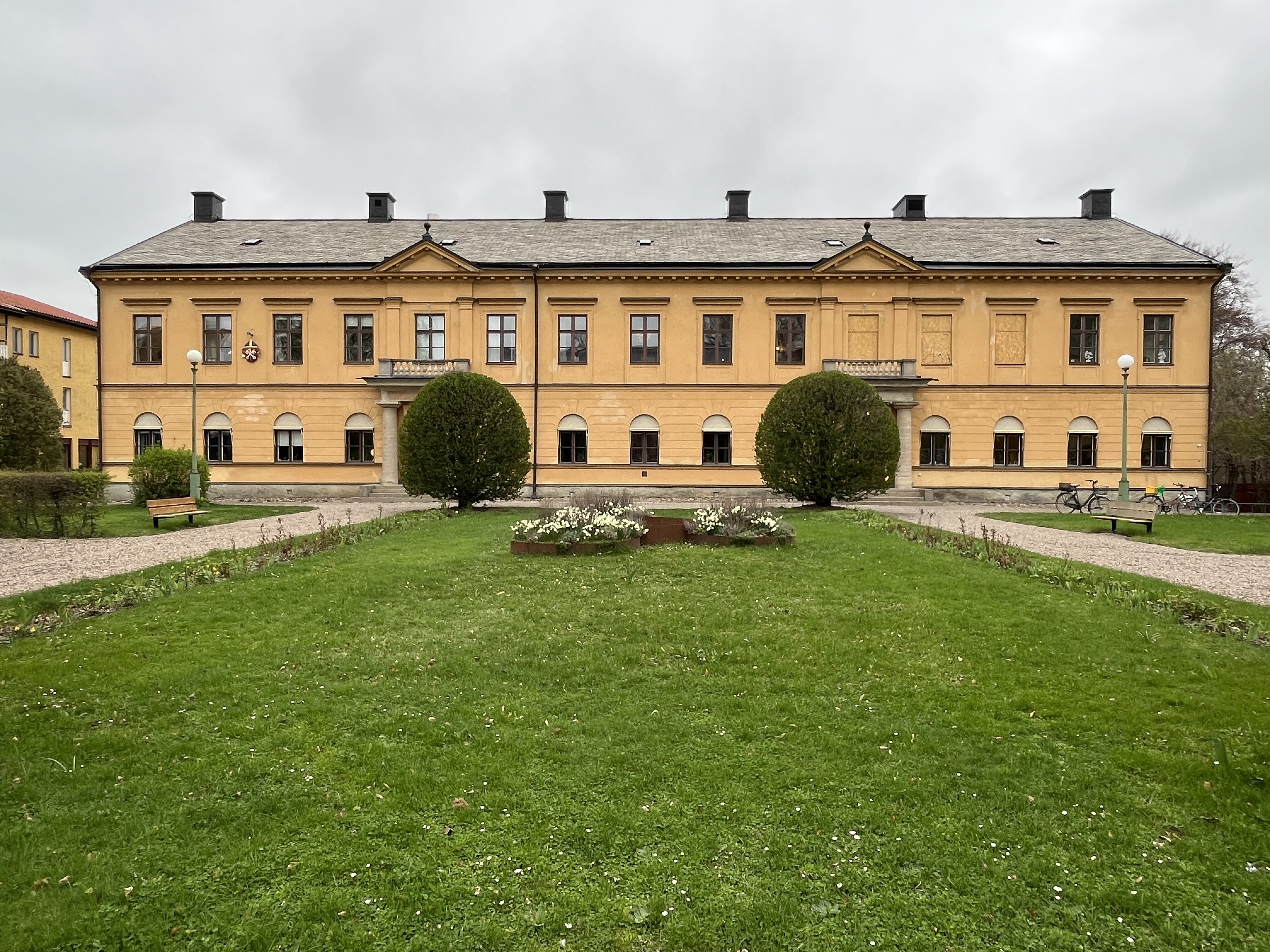
You are aware that numerous challenges hinder the energy renovation of historic buildings, and you wish to learn about them in a structured manner. We present the “Barrier analysis: Identifying views on hindrances to the retrofitting of historic buildings” Deliverable. It focuses on identifying barriers to retrofitting historic buildings across Europe. The current situation was assessed through a survey. Almost 150 respondents from 25 European countries reacted and shared their views. Additional feedback was received through 25 follow-up interviews with professionals, mainly focusing on the demonstration site countries: Poland, Spain, Sweden, and the United Kingdom. Six more completed the “practitioner form.”
The principal barrier categories identified were regulatory (30% of respondents) and financial (24%). The primary barrier is that current policies and regulations are more suitable for new construction, without sufficient consideration for historic buildings.
Financial barriers include building owners’ reluctance to invest in energy retrofits due to the increased upfront costs and challenges in taking advantage of public funding schemes that are either too restrictive or too explicitly designed for new construction projects only.
The authors of the Deliverable seized the opportunity to propose some developments. Answers from the practitioner forms were analysed, issues were identified, and solutions were proposed across each “step” of the energy retrofit process. One such example is the energy performance assessment of a historic building that struggles with overlapping and contradictory guidelines and standards. The solution could be found in creating a unified document at a higher level to clarify the process. Review the deliverable to discover additional solutions for overcoming barriers to energy retrofitting historic buildings.
Deliverable findings could be of special interest to researchers, particularly due to the detailed technical feedback from the practitioner forms, as well as to policymakers/people working on legislation.

Principal Authors: Philipp Hesse (ICOMOS), Luka Nedzbala (ICOMOS)
Contributing Authors: Faye Nzegang (ICOMOS), Franziska Haas (ICOMOS), Yann Grandgirard (Edinburgh World Heritage), Gustaf Leijonhufvud (Uppsala University)
Collaboration: Krzysztof Barnaś, Kinga Racoń-Leja, Judyta Rduch, Filip Suchoń (Cracow University of Technology), Tomasz Jeleński (the Sendzimir Foundation)